As the world accelerates efforts to combat climate change, the United States is charting a starkly different course. The Trump administration has unveiled sweeping proposals to weaken cornerstone environmental protections, signaling a dramatic retreat from decades of progress. These rollbacks—framed as part of an “energy dominance” agenda—pose grave risks to environmental health, climate stability, and social equity.
What’s Changing?
The administration’s proposals target multiple bedrock laws:
Clean Water Act: Plans to narrow the definition of “waters of the United States” would strip federal protections from millions of acres of wetlands and small streams. Wetlands act as natural flood buffers and water filters; losing them will heighten flood risks and contaminate drinking water supplies for vulnerable communities.
Endangered Species Act: Proposed revisions eliminate the “blanket rule” that automatically safeguards threatened species, introduce economic considerations into listing decisions, and reduce habitat protections. Species like the Florida manatee, monarch butterfly, and California spotted owl could face extinction as a result.
EPA Authority: The Environmental Protection Agency is moving to dismantle air and water pollution standards, emissions limits, and climate-related rules. Experts warn these changes could lead to tens of thousands of premature deaths and billions in health costs due to increased smog, mercury, and particulate pollution.
National Environmental Policy Act (NEPA): Agencies are revoking requirements to consider climate change and environmental justice in project reviews, cutting communities out of decision-making processes that affect their health and livelihoods.
The Health and Climate Fallout
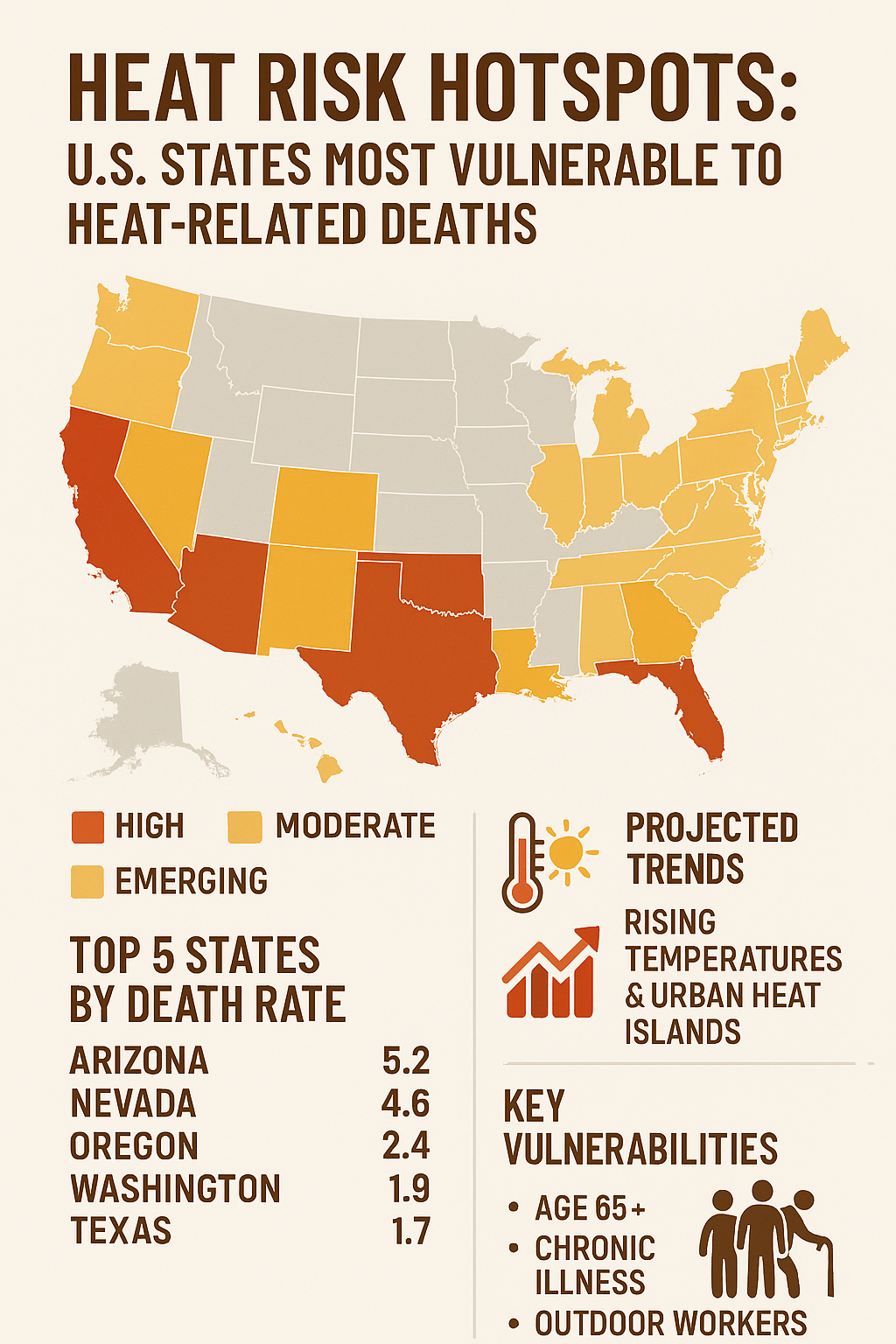
Scientific assessments underscore the stakes: weakening pollution controls will increase respiratory illnesses, cardiovascular disease, and cancer rates. The Associated Press estimates that existing EPA rules save up to 30,000 lives annually; dismantling them could reverse these gains. On a global scale, Trump’s anti-climate policies could contribute to 1.3 million additional heat-related deaths by 2100, alongside catastrophic impacts from floods, wildfires, and crop failures.
Environmental Justice at Risk
Low-income communities and communities of color—already disproportionately burdened by pollution—will bear the brunt of these rollbacks. Removing federal oversight of water quality and air standards leaves states with uneven protections, exacerbating inequities in health outcomes and access to clean resources.
Why This Matters IN A POST-CHEVRON world
These proposals don’t just weaken regulations—they undermine the scientific foundation of environmental policy. By prioritizing short-term economic gains over public health and ecological integrity, the administration is setting the stage for long-term crises that will cost far more than any perceived savings. Unfortunately, with both the Trump administration’s planned rollbacks and the Supreme Court’s recent decision in Loper Bright Enterprises v. Raimondo to overturn the long-standing Chevron deference doctrine, enforcing logical environmental policy will be significantly hampered going forward.
Previously, courts deferred to federal agencies like the EPA when interpreting ambiguous environmental statutes, granting agencies flexibility to implement complex regulations. With Chevron gone, courts must now exercise independent judgment and adopt what they consider the “best interpretation” of the law rather than accepting an agency’s plausible interpretation.
This shift will likely lead to increased litigation challenging environmental rules, slower rulemaking processes, and greater uncertainty for agencies attempting to regulate emerging issues such as climate change and Environmental, Social, and Governance (ESG) standards. While agency interpretations will still receive “due respect,” they no longer carry presumptive authority, meaning enforcement actions and new regulations could face heightened judicial scrutiny and potential invalidation, reshaping the landscape of environmental governance in favor of stricter statutory interpretation by courts.
The Path Forward
Environmental activists and policymakers can counter the Trump administration’s environmental rollbacks through a multi-pronged approach. First, they should pursue aggressive litigation to challenge regulatory changes that weaken protections for clean air, water, and endangered species, as courts have historically overturned poorly justified rollbacks. Second, state governments can strengthen their own environmental standards and assert states’ rights to maintain stricter emissions and conservation policies, creating a patchwork of protections even when federal rules are weakened. Third, activists can build broad coalitions that link climate action to economic and social justice, emphasizing job creation through clean energy and the disproportionate impact of pollution on marginalized communities. Public mobilization—such as large-scale protests and grassroots campaigns—remains vital for raising awareness and pressuring lawmakers.
Public engagement and legal challenges will be critical. Environmental groups, state governments, and advocacy organizations are mobilizing to block these rollbacks. But time is short: every delay in climate action compounds the risks for future generations.